
Sometimes, UX can save your life.
Pharmacy systems had a problem - no accountability, no review for prescriptions when they don’t line up. No easy way to contact your doctor when things go wrong.
I led a talented team at West Monroe Partners, partnering with Walmart Labs, to modernize and reimagine pharmacy, from the ground up.
The Problem
When I first encountered the CDS, it was nearly 30 years old—still stuck in the look and feel of Windows 98, with taupe and grey boxes everywhere.
Over the years, countless features had been added, but they were buried in hard-to-find menus and hidden behind confusing obscure patterns. The result? A system so disorganized it took a full year of training just to use it properly.
But the real issue was bigger: lives were at risk.
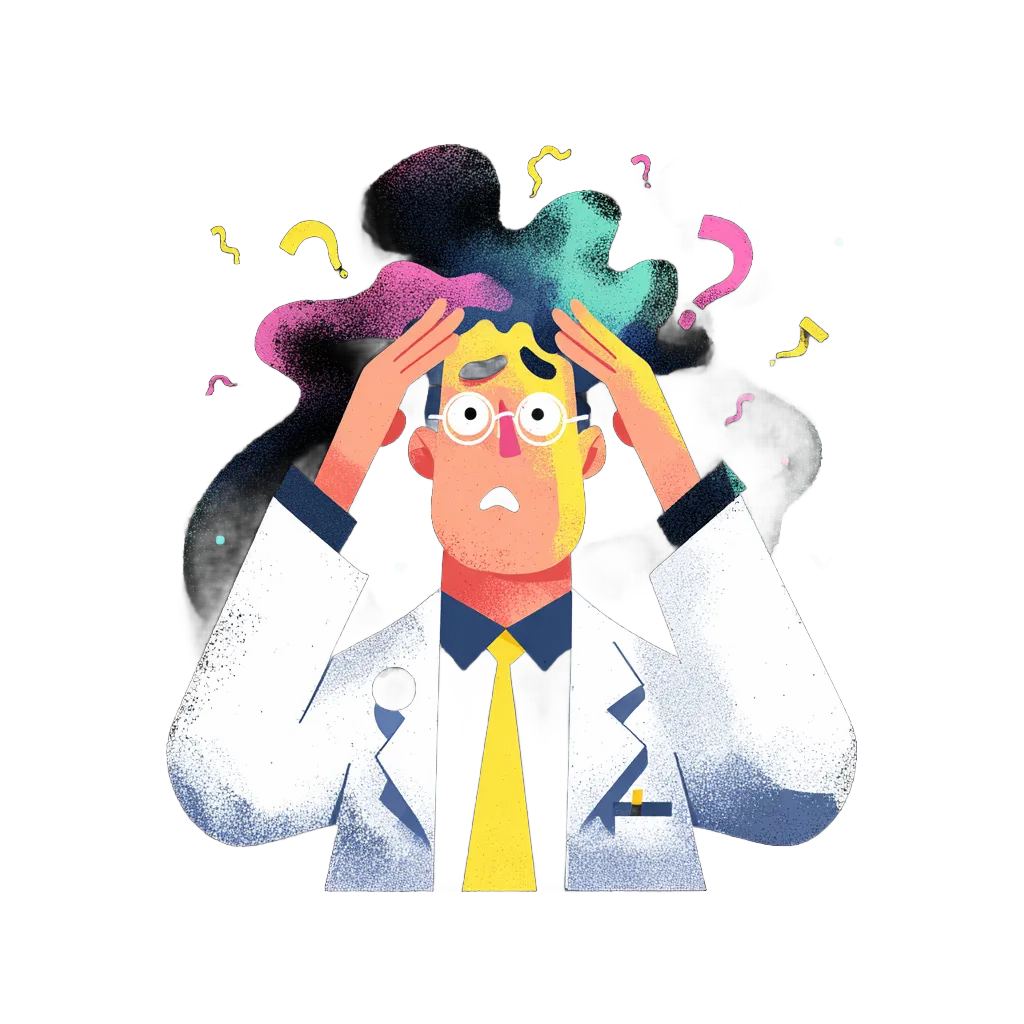
Backtracking
There was no prescription overview. Every prescription had to be managed one at a time.
Pharmacists couldn’t see how many prescriptions a patient had until they finished processing them all.
There was no way to schedule all of a patient’s prescriptions for pickup the same day, making the process frustrating and inefficient.
Context
There was no information regarding medications or their complications.
Nothing was were you need it. Medical conditions, allergies were manual entry and hidden behind menu after menu.
Notes couldn’t be deleted or edited. Pharmacists would sift through dozens of blank/outdated entries in order to understand a patient’s medical history.

Safety
There was no connection between a prescription’s side effects and a patient’s medical history.
No way to assess how dangerous a prescription might be for a specific patient.
The system lacked any AI or automated checks to prevent overdoses or flag potential risks.
The CDS was outdated, confusing, and unsafe.
Pharmacists didn’t have the tools or information they needed to care for patients effectively, putting lives at risk.
Walmart had to step up, and so I stepped in.
Approach
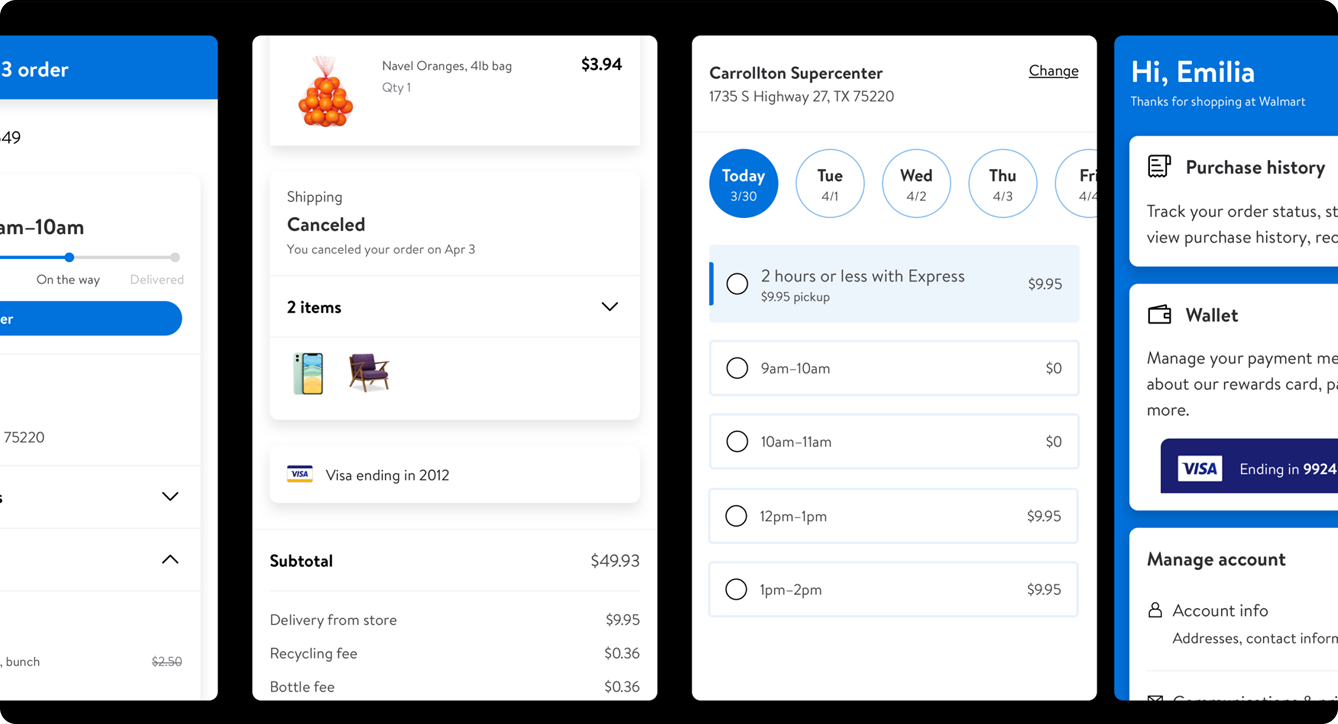
We immersed ourselves in the daily routines of Walmart pharmacists—shadowing, interviewing, and mapping workflows in stores across the country.
At the Walmart Innovation Test Center in Bentonville, we worked side-by-side with pharmacy teams to understand every step of their process.
With these insights, we built and tested three prototypes in real pharmacy settings, refining our designs each week based on feedback from over 50 pharmacists.
Working with Walmart Global Tech, we also created a modular, accessible design system for internal tools. This ensured the new platform was consistent, fast, and easy for pharmacists to use.
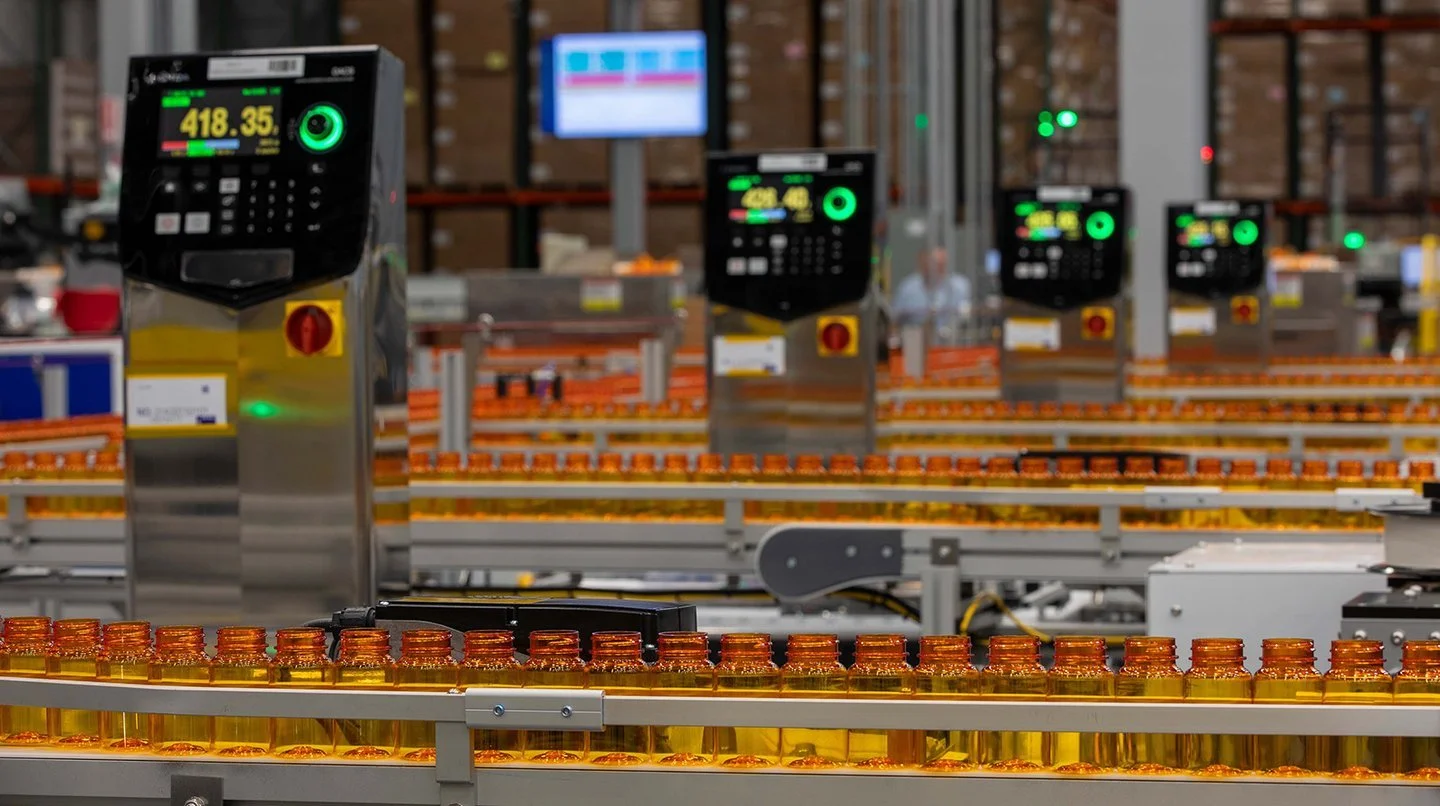
The Solution
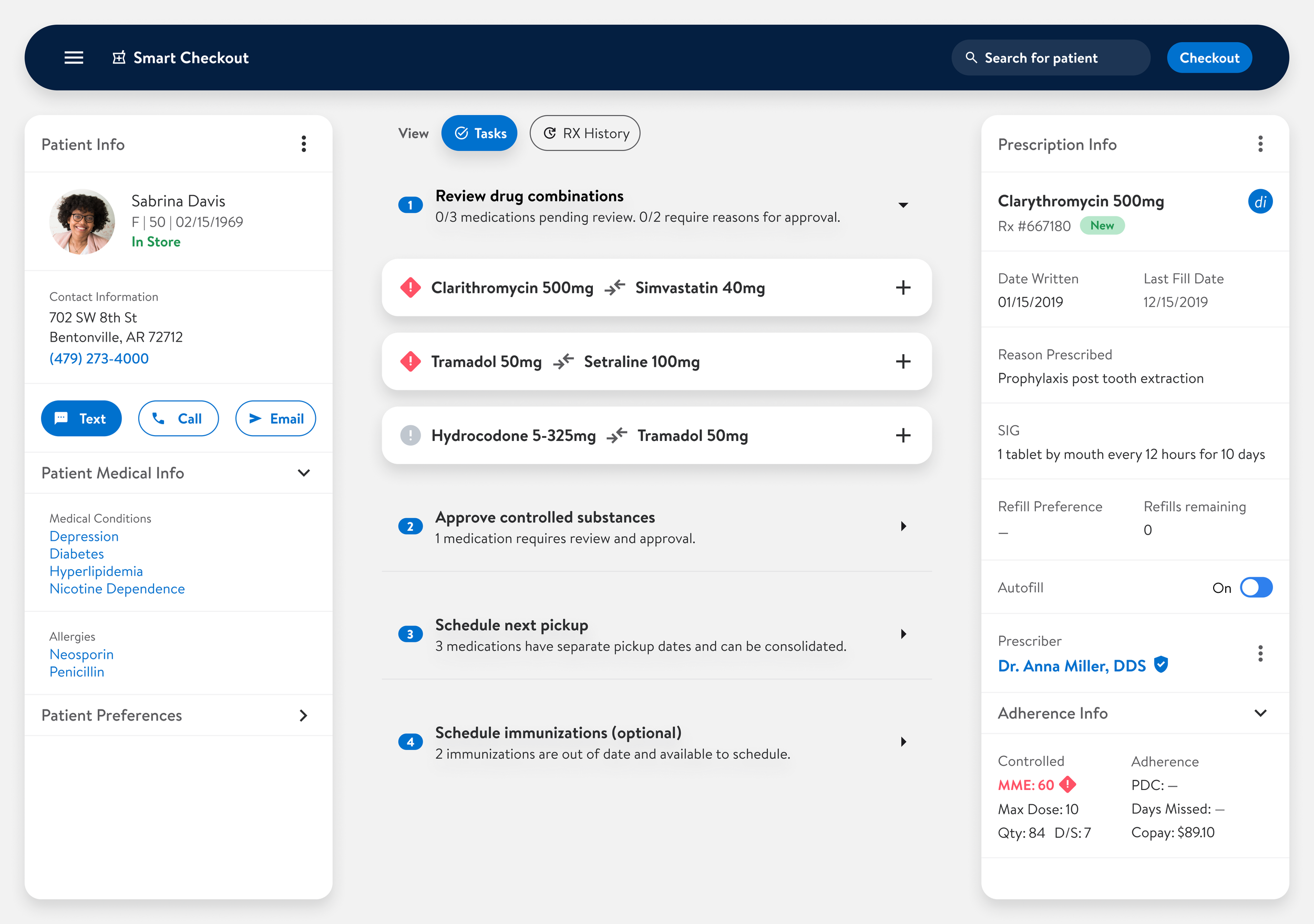
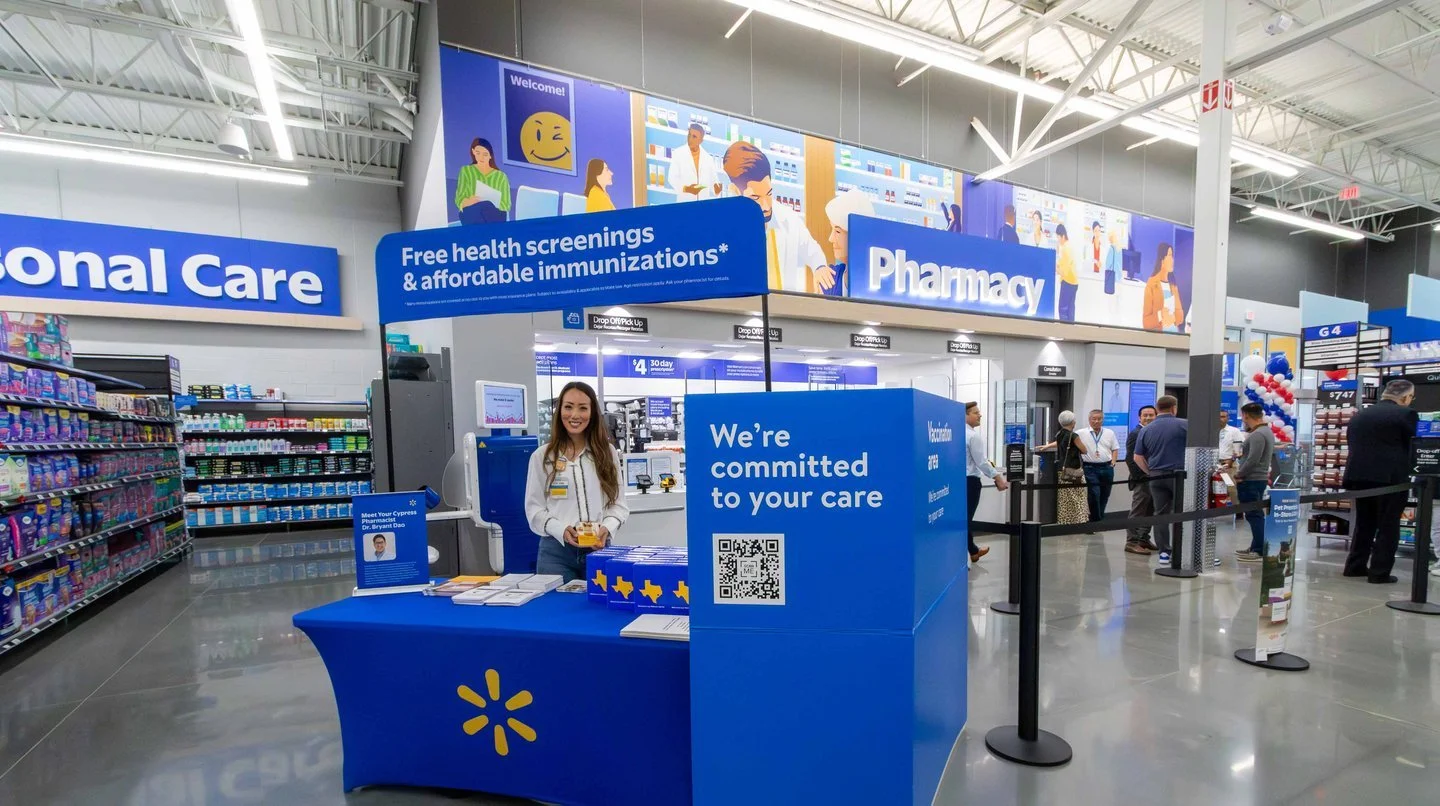
Smart Checkout empowers pharmacists and saves lives with clarity and confidence.
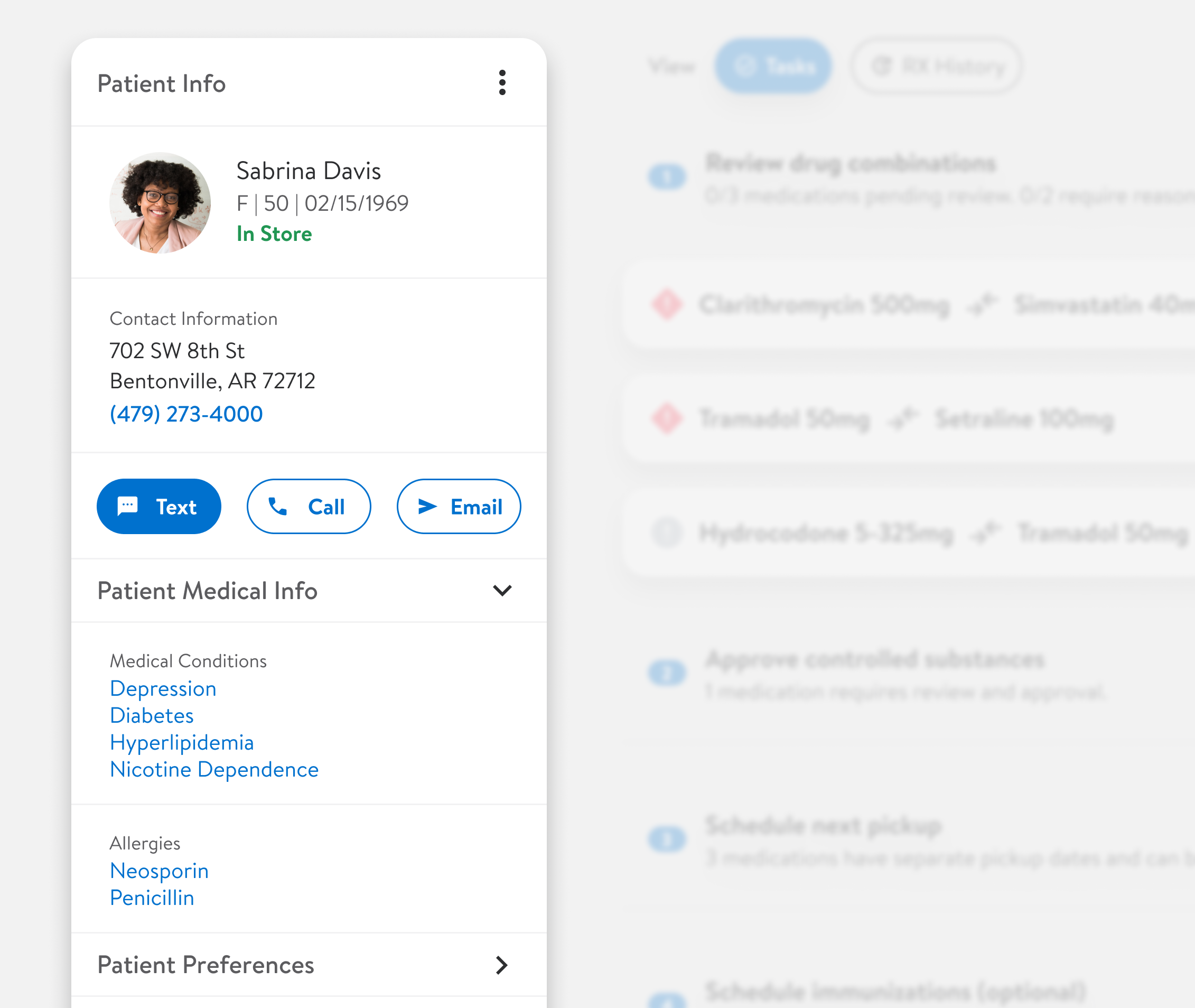
No more backtracking. Patient profiles with notes, history and AI-powered links.
A hybrid cart & feed gives pharmacists a complete overview of their patients while reducing cognitive load.
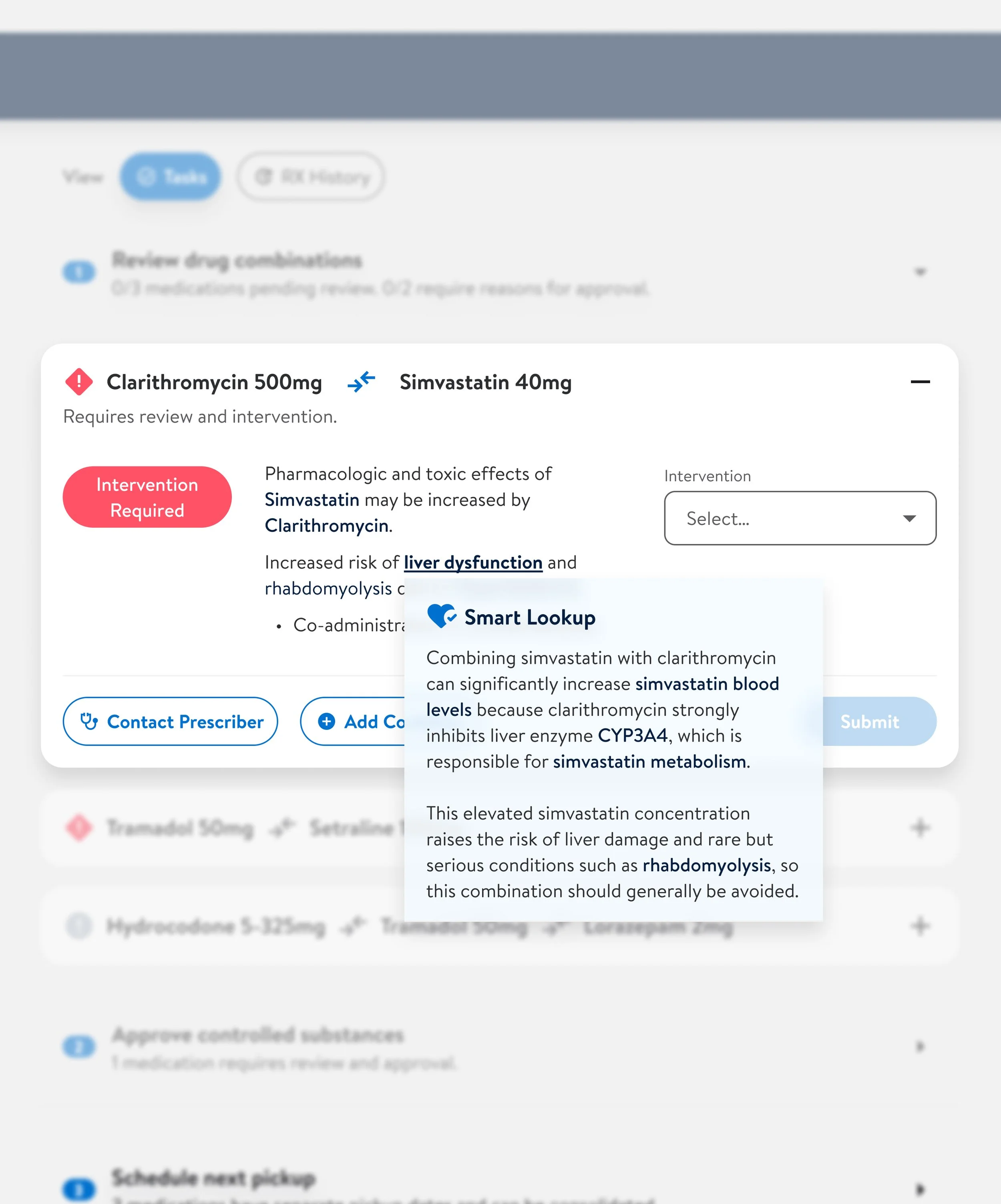
AI-powered context with links to medical documentation. Keep patients safer, and pharmacists up to date.
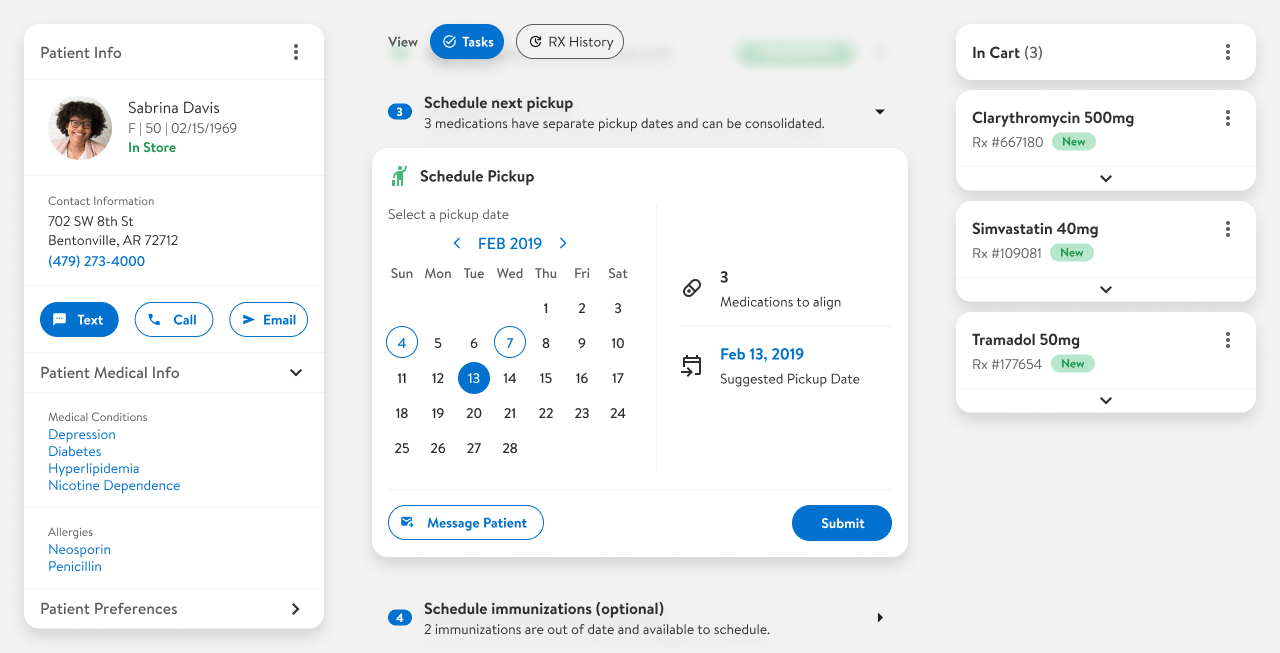
Pickup orders same day. No more missed doses.
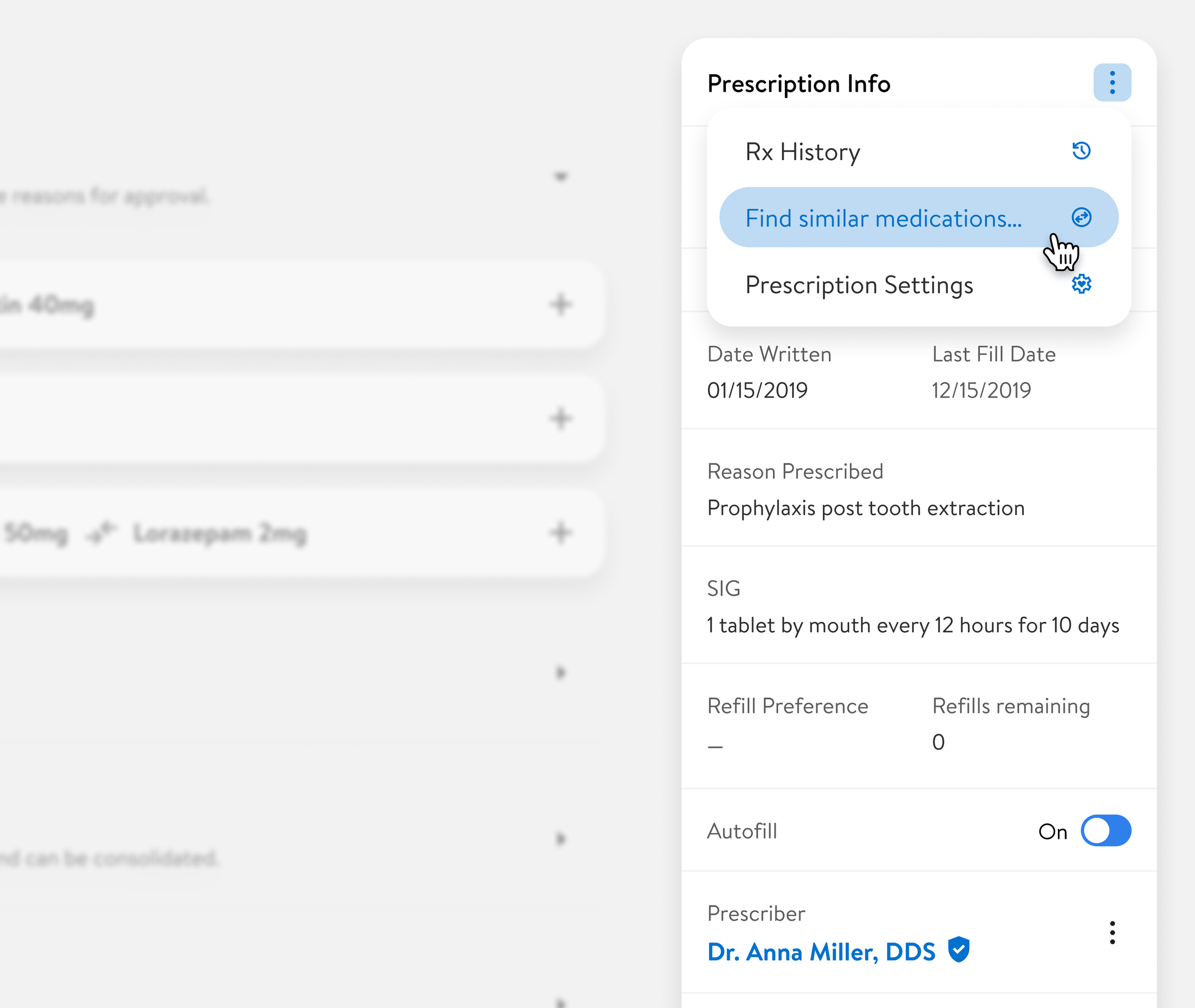
Swap low-risk meds and budget-friendly options in a click.
All your prescriptions. All in one place.
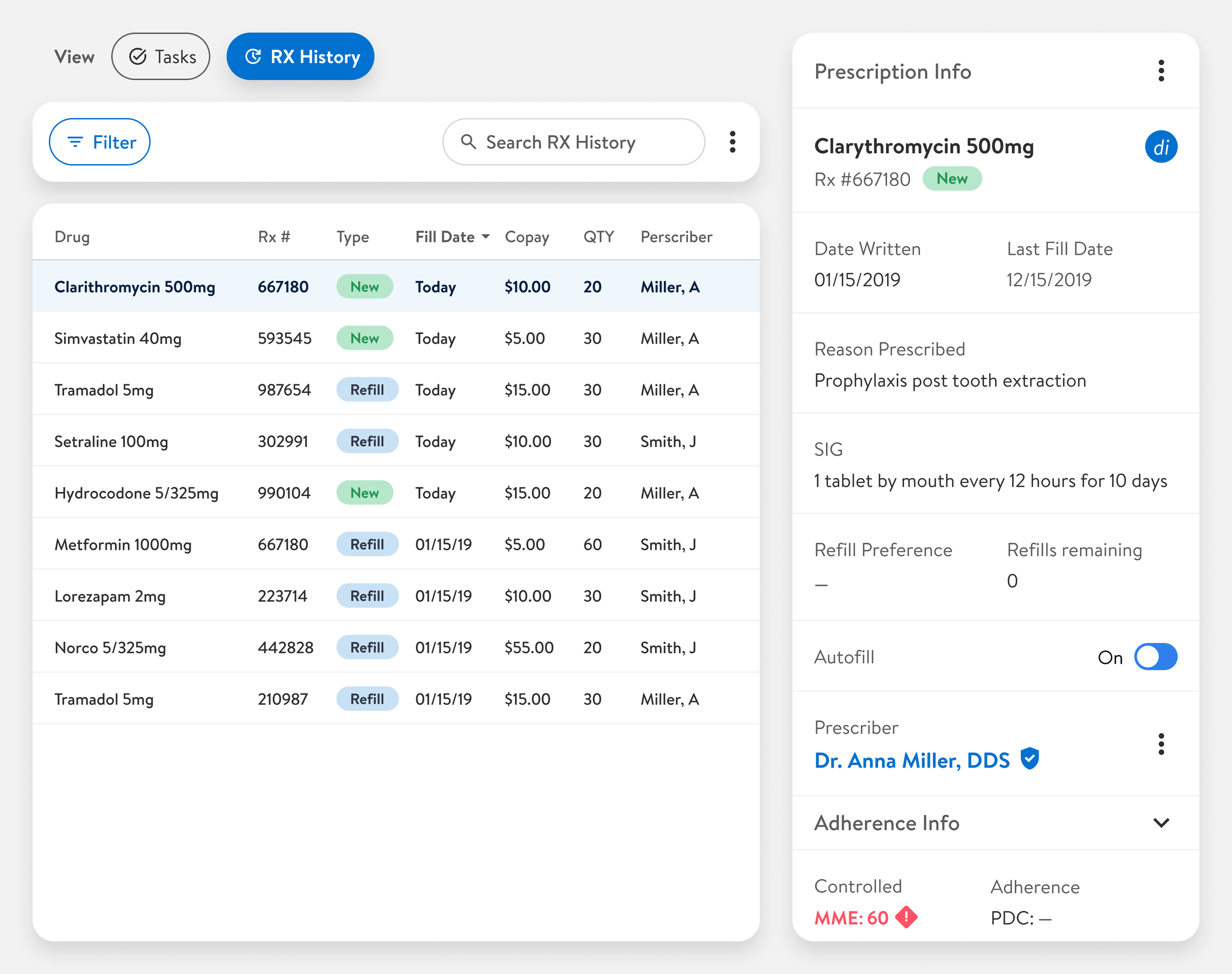
Smarter scripts — ready to print.
In-line Editing to make changes on the fly.
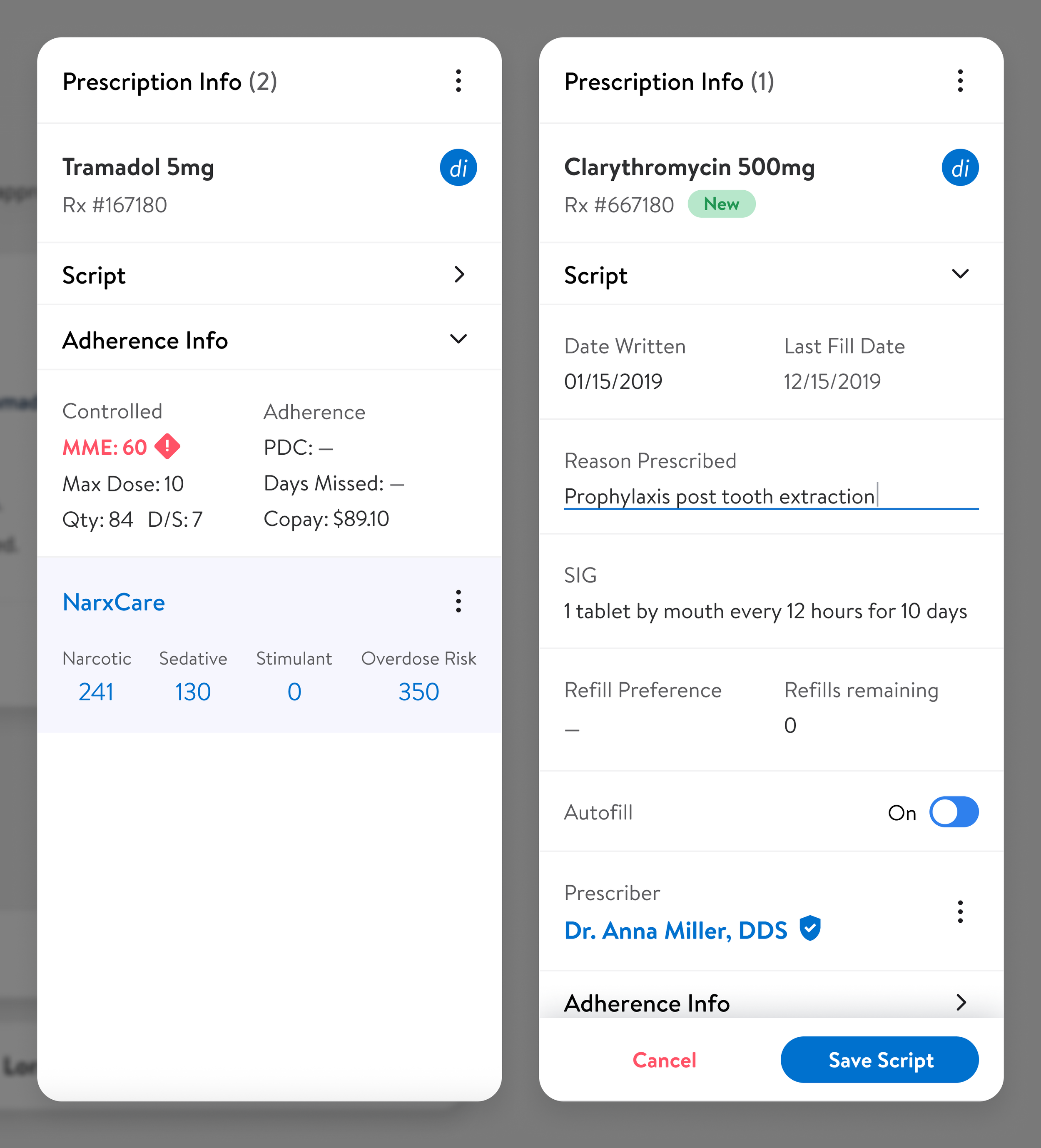
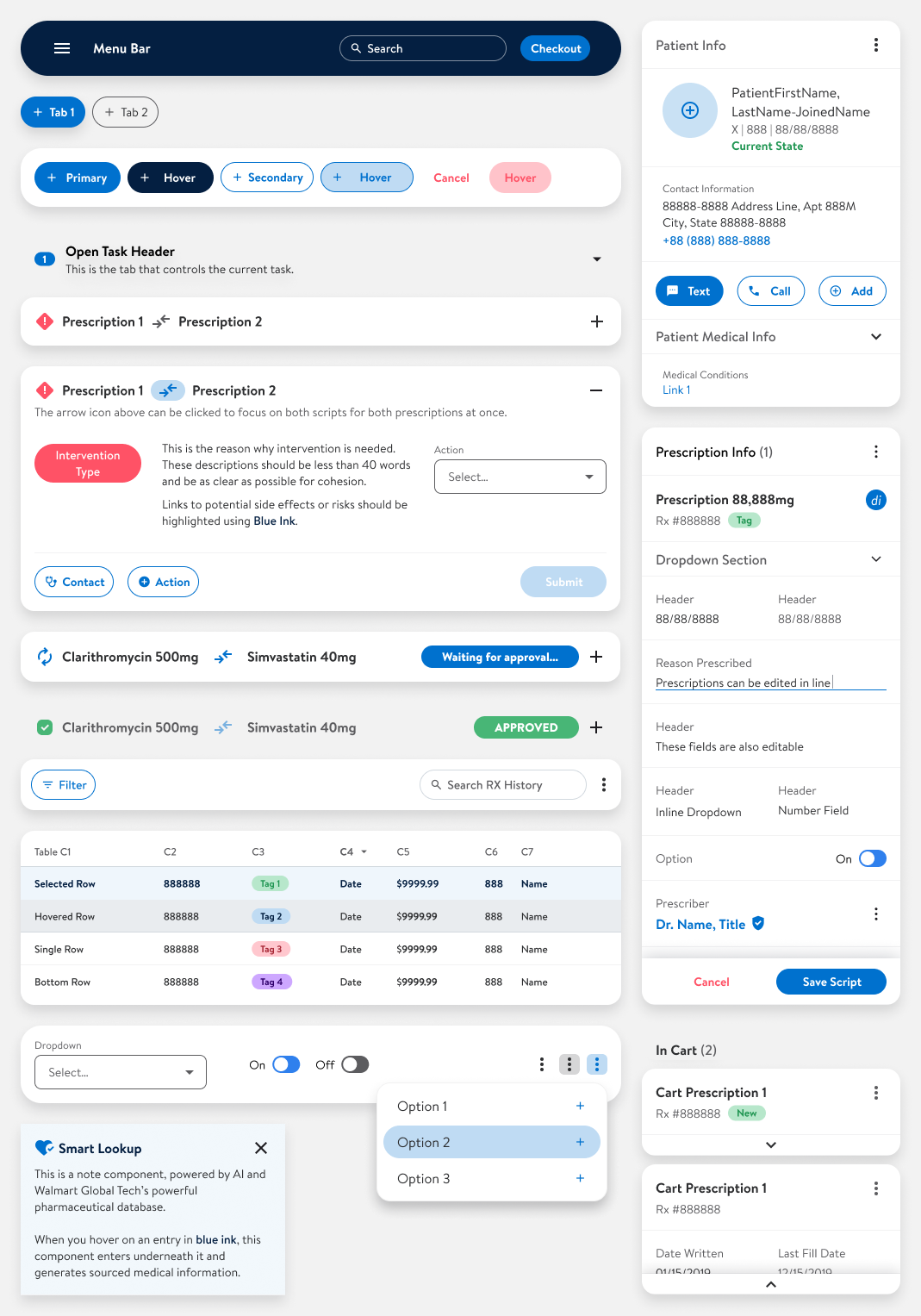
…and a design system. Crafted for clarity and precision in a high-stakes environment.
Impact
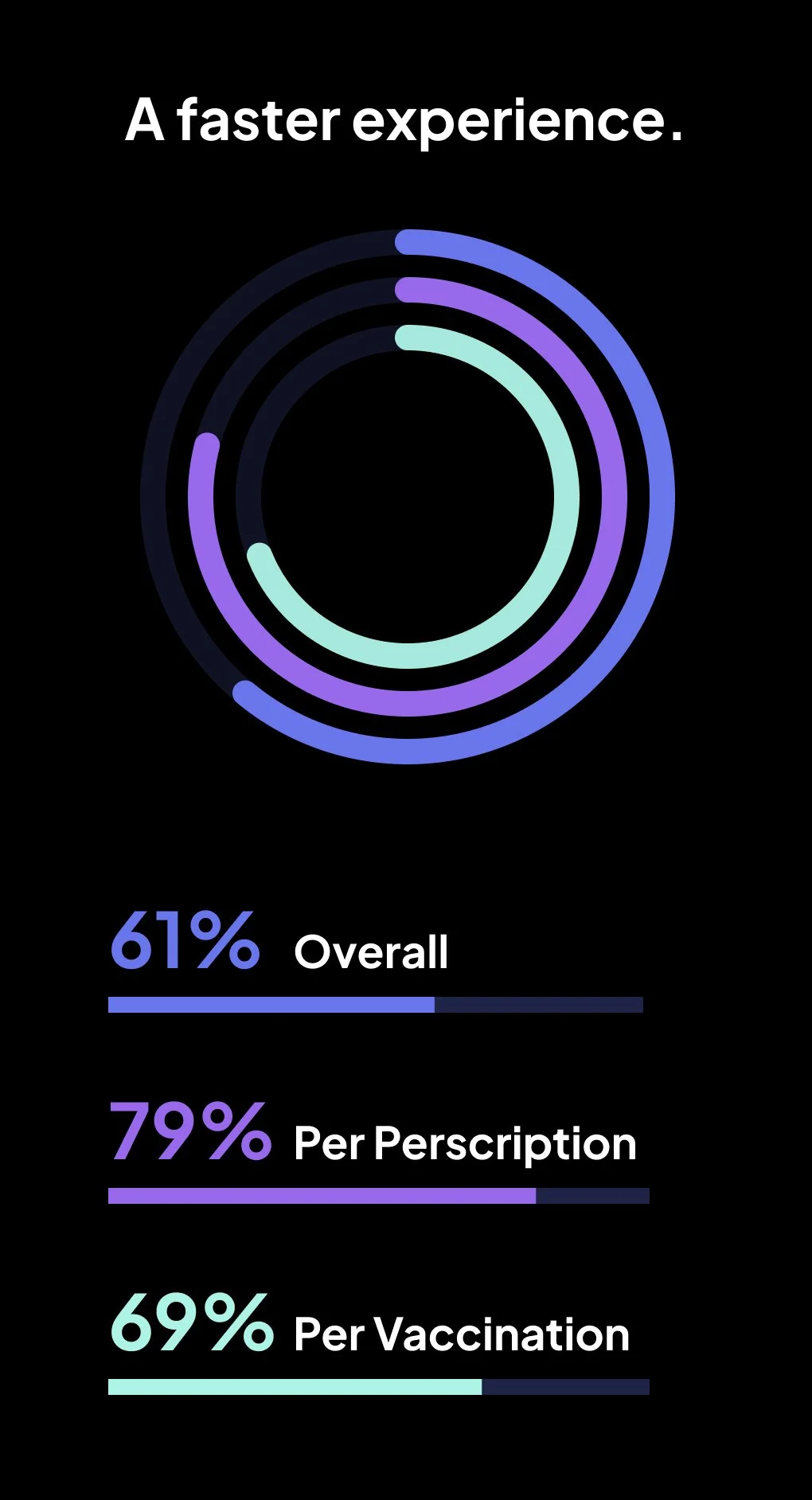
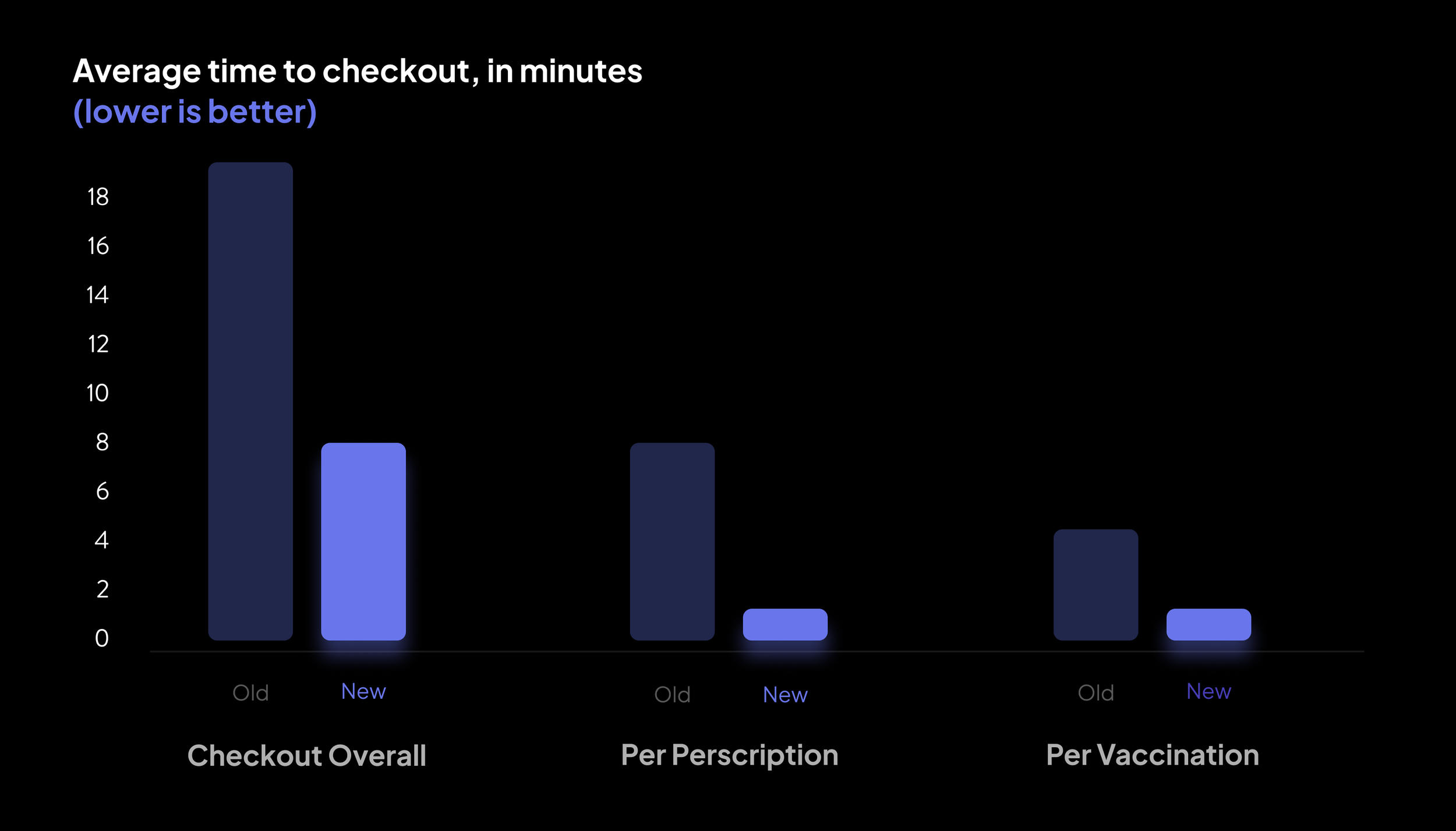
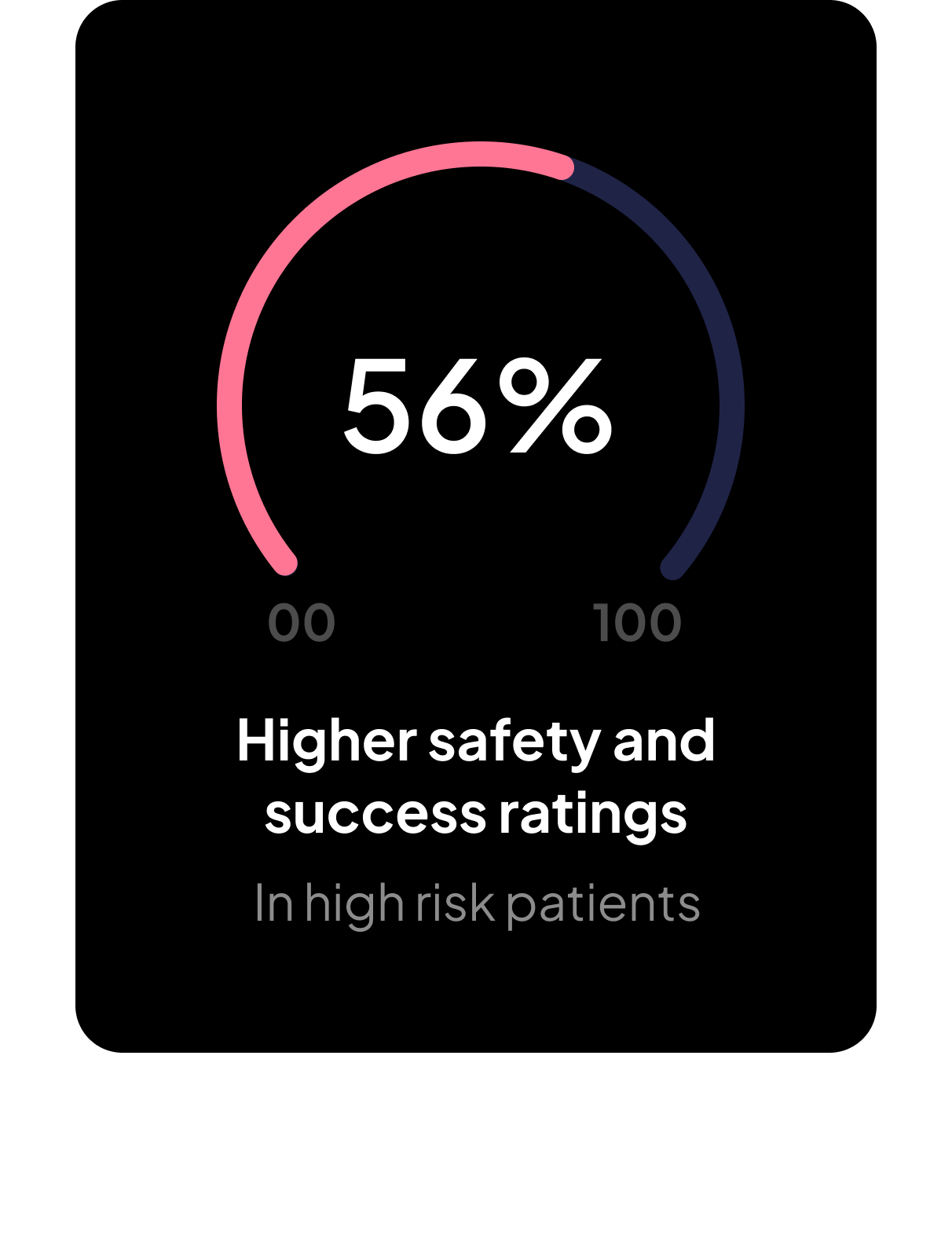
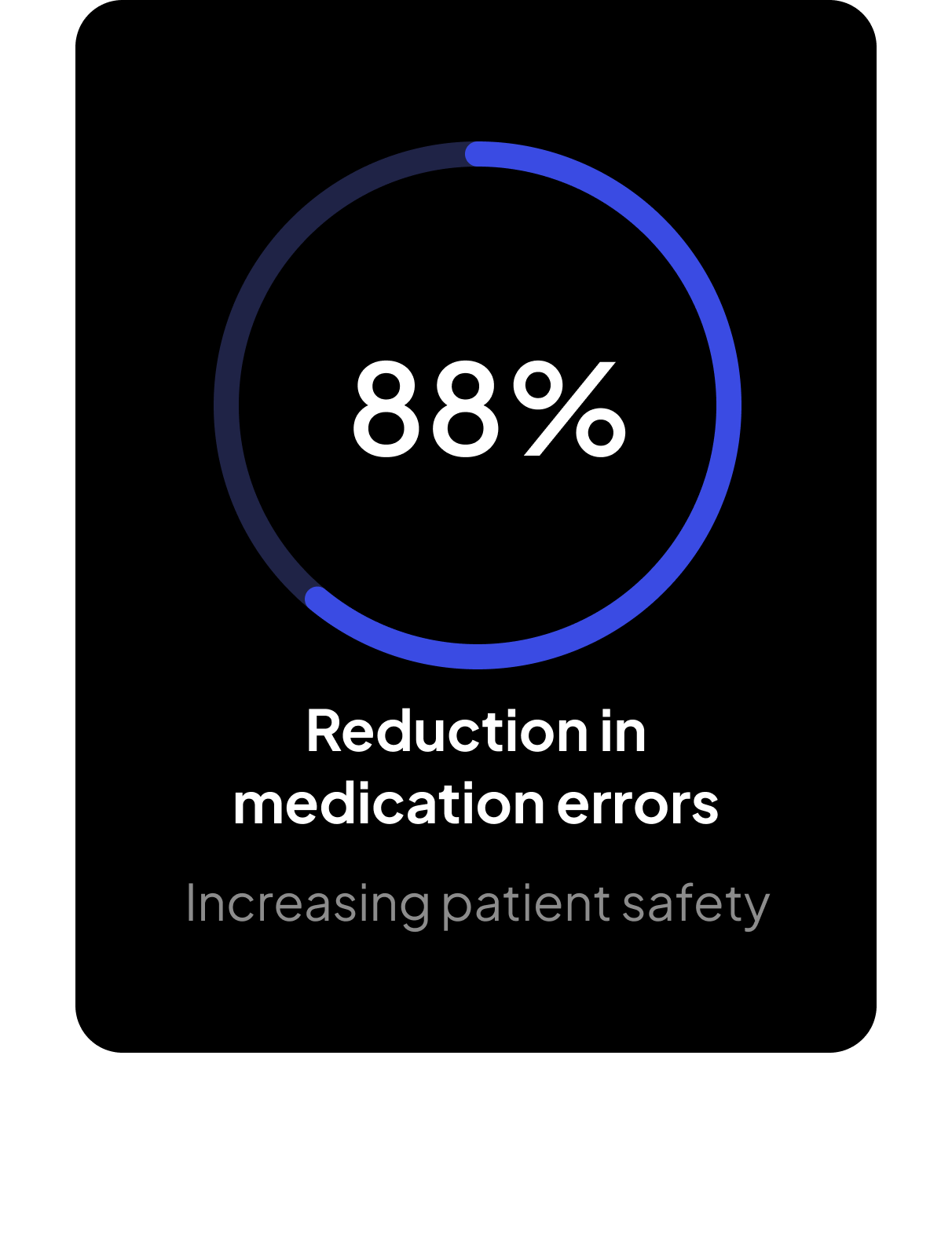
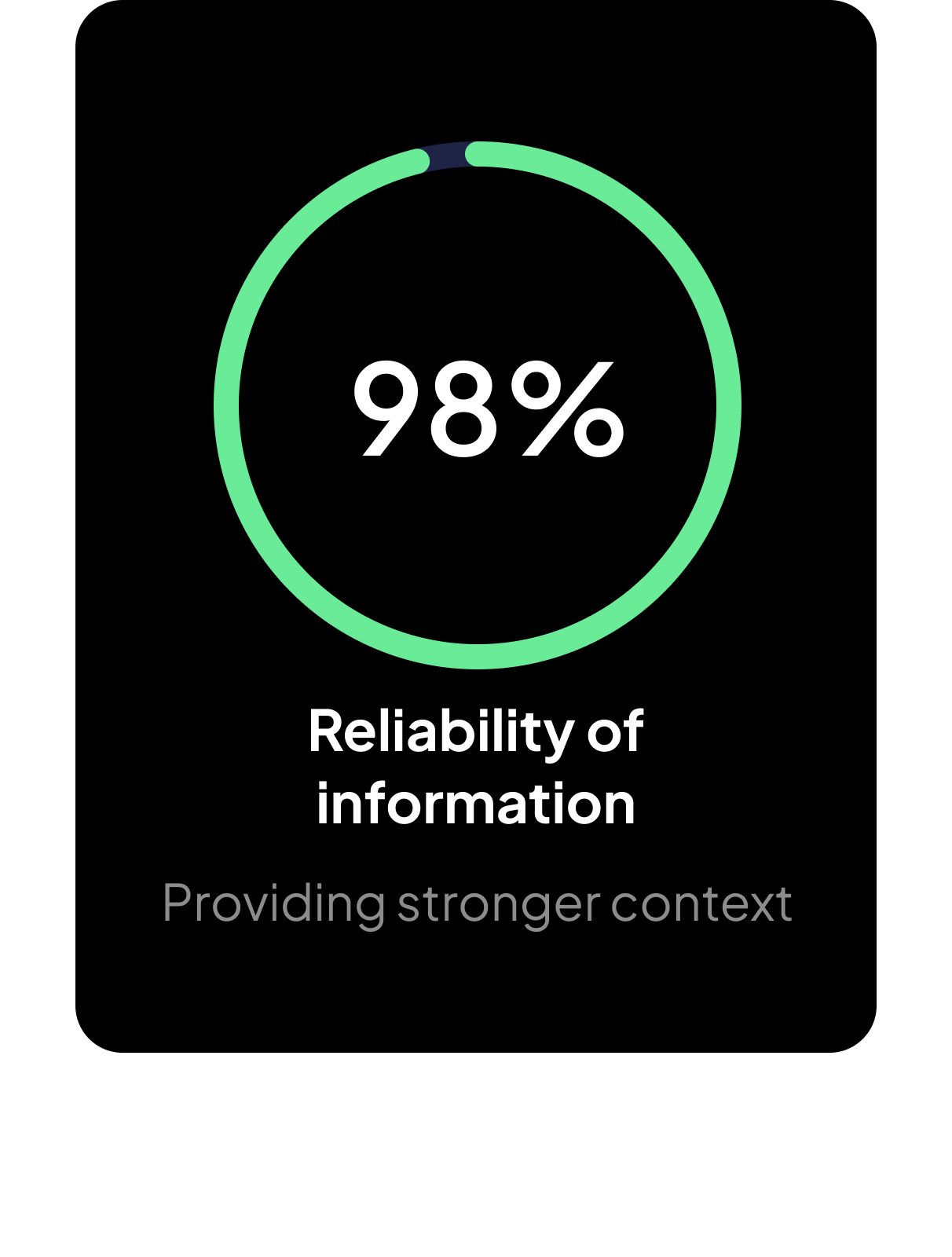
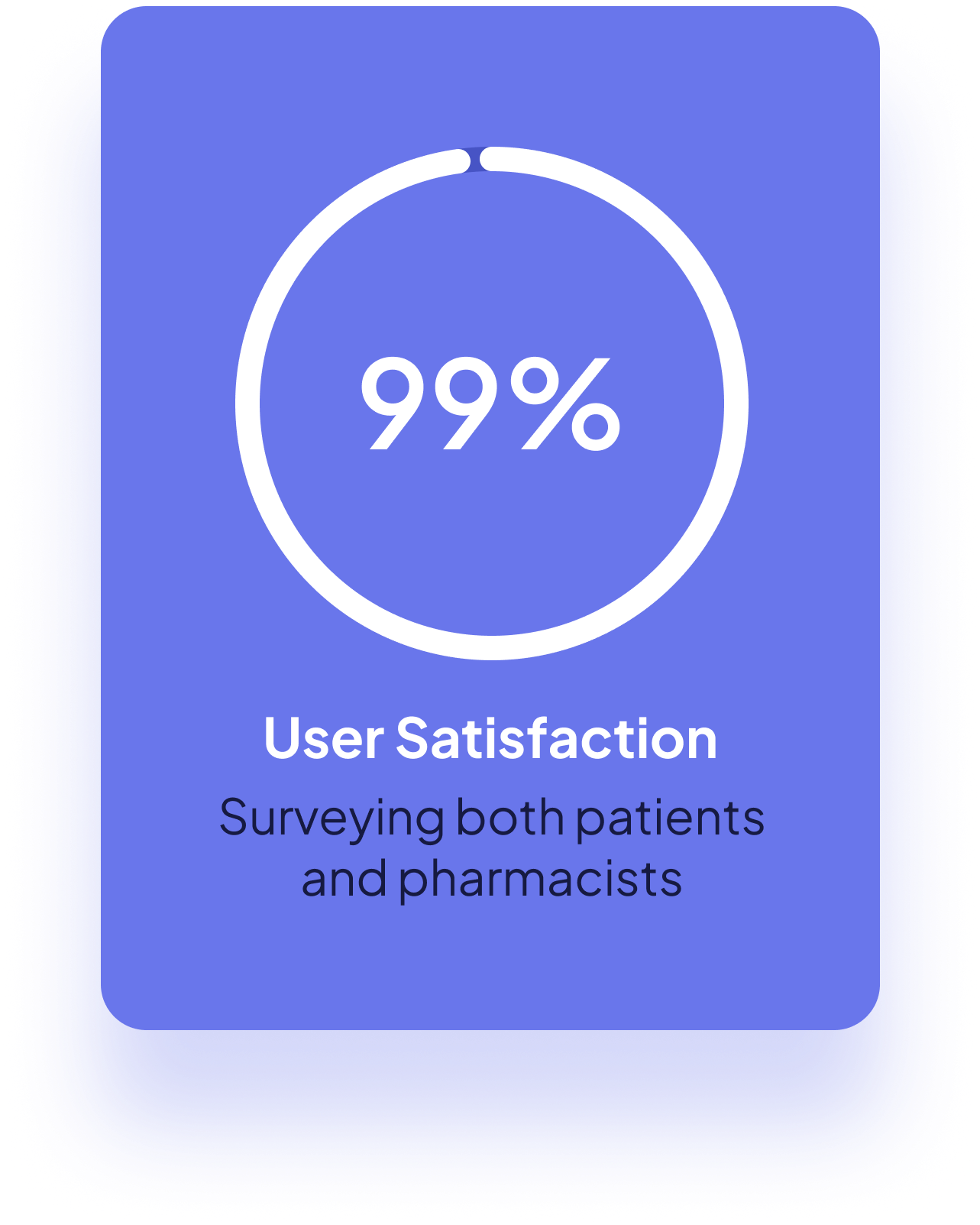
The pharmacists I worked with made it clear: every workflow, data point, and medical nuance needed to reflect the seriousness of their daily responsibilities. Just because their work was complex didn’t mean their software had to be. Clear experiences, with better context meant better decisions and better results in patient health, and in Walmart’s bottom line.
Collaborating with Walmart Global Tech on their design system challenged me to push innovation further. I was the first to bring client-facing design concepts into Walmart’s internal tools — setting a new standard before it became the industry norm.
Years later, seeing Smart Checkout become the benchmark for pharmacy UX is proof that thoughtful, context-driven design rooted in real user needs can create a lasting impact — and even save lives. This project remains a defining chapter in my career and a reminder, that context is everything.